





In an industry where efficiency and reliability define competitiveness, maintaining continuous production is more important than ever. As packaging lines become increasingly automated and integrated, even a brief interruption can impact productivity, delivery schedules, and product quality.
At Mespack, we understand that uptime is at the heart of every successful operation. That’s why we focus on proactive maintenance and connected support solutions that help customers keep their machines running at peak performance throughout their lifecycle. In this article, we explore practical ways to minimize downtime, extend equipment lifespan, and enhance overall performance through smart maintenance and remote assistance.
The Importance of Preventive Maintenance
Preventive maintenance is the foundation for maximizing machine uptime. Regular inspections and scheduled maintenance tasks help identify minor issues before they escalate into costly failures. Key steps include:
- Routine inspections: Check for wear, lubricate moving parts, and verify sensors.
- Scheduled replacements: Replace belts, seals, and other consumables at manufacturer-recommended intervals.
- System calibration: Ensure all machines are correctly adjusted to maintain consistent production quality.
Implementing a preventive maintenance program can help prevent unexpected downtime and increase the lifespan of your packaging machinery. For more details, see our maintenance and support services.
Leveraging Remote Support with Hello Mespack
Remote support adds an additional layer of protection for your packaging lines, enabling you to:
- Monitor Equipment Remotely
- Diagnose and troubleshoot issues without on-site visits
- Receive guidance on corrective actions or software adjustments
Remote support is especially valuable for quickly addressing urgent problems, reducing production delays, and avoiding costly emergency service calls. More information can be found on our services page.
Optimizing Maintenance Scheduling
Effective maintenance planning is essential to balance production demands with necessary upkeep. A well-organized schedule helps avoid disruptions while keeping machines in optimal condition.
Best practices for maintenance scheduling include:
- Performing routine maintenance during off-peak production hours whenever possible.
- Prioritizing critical machines with high throughput or complex processes.
- Documenting all maintenance activities to track performance trends and anticipate potential failures.
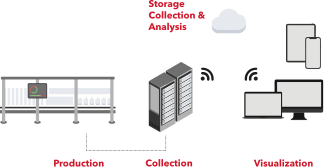
Using centralized platforms like Athena, teams can manage maintenance schedules more efficiently, access machine histories, and plan interventions proactively — ensuring continuity of operations while keeping costs under control.
Staff Training and Operational Best Practices
Even with high-quality machinery and remote support, the human factor is crucial for uptime. Staff should be trained in:
- Proper operation of packaging equipment.
- Early identification of signs of wear or malfunction.
- Standard cleaning and lubrication procedures.
Well-trained operators help prevent avoidable breakdowns and contribute to overall efficiency.
Benefits of combining Preventive Maintenance and remote support
Integrating preventive maintenance with remote support offers multiple advantages:
- Reduced unplanned downtime, ensuring production targets are met.
- Extended equipment lifespan, lowering long-term capital cost
- Improved safety and compliance, reducing risks to operators and product quality.
- Centralized access to machine data, documentation, and support tools via Athena.
Companies that adopt both approaches can maintain high productivity, reduce operational risks, and maximize ROI on packaging machinery.
Conclusion:
Maximizing packaging machine uptime requires a proactive and connected approach. By combining regular preventive maintenance with digital solutions like Athena and Hello Mespack, manufacturers can maintain smooth operations, respond faster to issues, and protect the long-term performance of their packaging lines.
This integrated strategy not only minimizes disruptions but also ensures greater reliability, efficiency, and sustainability—key factors for staying competitive in today’s fast-evolving packaging industry.