Beyond Equipment: Choosing the Right Packaging Machinery Partner
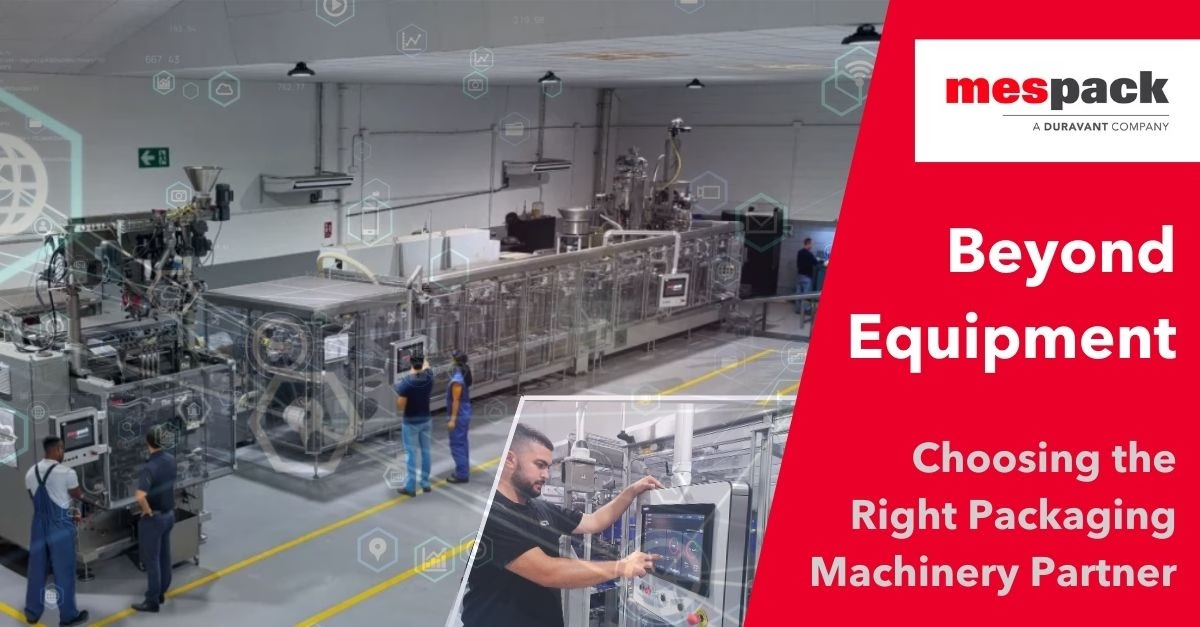
Selecting packaging machinery is often treated as a purely technical decision. Focused on speed, output, and specifications. While these factors are important, they represent only part of the equation. In real-world production environments, long-term performance depends not just on the equipment itself, but on the expertise, reliability, and commitment of the company behind it.
As manufacturing operations grow more complex and production requirements continue to evolve, choosing the right packaging machinery partner has become a strategic decision rather than a simple purchase transaction.
Why Choosing a Packaging Machinery Partner Matters
Packaging machinery is a long-term investment. Once installed, machines must operate reliably for years, adapt to new formats, and support changing market demands. The true value of this investment is realized over time, through consistent performance, minimal downtime, and the ability to evolve with business needs.
For this reason, manufacturers are increasingly looking beyond equipment features alone. They seek partners who can support them throughout the full lifecycle of their packaging operations. From initial consultation and installation to upgrades, maintenance, and future expansions.
This approach is especially common in mature manufacturing markets such as the United States and Europe, where operational continuity and return on investment are key priorities.
Partner vs Supplier: Understanding the Difference
The real value lies not only in the machine you buy, but also in the partner you choose.
A traditional supplier typically focuses on delivering a machine that meets a predefined specification. Once the installation is complete, their involvement may be limited to basic service support.
A genuine packaging machinery partner, on the other hand, takes a broader, long-term view. They consider how the equipment fits into the entire production process, how it will perform under real operating conditions, and how it can adapt to future requirements.
This distinction becomes critical when challenges arise, whether it is a new product format, higher production volumes, or unexpected technical issues. A partner stands beside the customer throughout these changes, offering expertise and proactive solutions.
Key Criteria for Evaluating a Packaging Machinery Partner
1. Technical Expertise and Industry Experience: Experience reduces risk. A strong partner brings proven knowledge across multiple industries and applications. This expertise helps anticipate potential challenges, streamline implementation, and ensure the solution performs as expected from day one.
2. Flexibility to Adapt to Changing Needs: Production environments are dynamic. New packaging formats, design changes, and volume fluctuations are everyday realities. The right partner designs equipment and systems with flexibility in mind, enabling manufacturers to adapt without costly disruptions.
3. Service and Long-Term Support: Machine performance does not end after commissioning. Reliable after-sales service, preventive maintenance programs, and responsive technical support are essential to maintaining uptime and protecting productivity over the long term. A true partner remains engaged well beyond the installation phase.
4. Understanding of the Complete Packaging Process: Packaging lines involve more than individual machines. A capable partner understands how different stages: filling, sealing, cartoning, and end-of-line operations, interact with each other and is capable to deliver turnkey projects. This holistic perspective helps optimize overall efficiency and minimize operational risks.
Essential Questions to Ask Before Making a Decision
To distinguish a long-term partner from a transactional supplier, manufacturers should ask:
- How will this solution support future product or format changes?
- What level of technical service and training is available after installation?
- Does the provider understand our industry and specific operational challenges?
- How easily can the equipment integrate with our existing production environment?
- What is the long-term roadmap for upgrades and enhancements?
The answers to these questions often reveal more about the true value of a supplier than technical specifications alone.
Common Mistakes to Avoid One of the most frequent mistakes is focusing solely on machine performance metrics while overlooking long-term operational factors. Low initial cost or impressive specifications can lose.

Gemma Bessa
Marketing Director
Mònica Cuatrecases
Communication Manager